Traffic SafetySelection guide
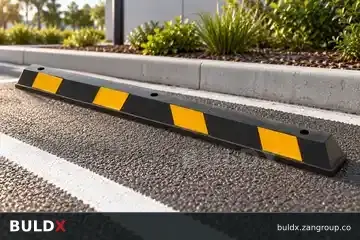
Select and position a wheel stop using the parking layout, vehicle use and pedestrian interfaces. A long rubber profile does not determine the correct location within every bay.
Read guide: Wheel stops: coordinate parking geometry before ordering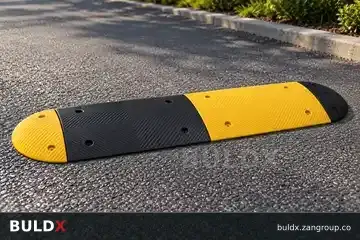
Traffic SafetySelection guide
Specify a speed bump as a complete arrangement of modules, ends and fixings. The dimensions of one module do not describe the full crossing width.
Read guide: Speed bump modules: width, ends and installation scope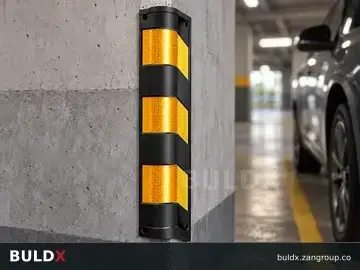
Traffic SafetySelection guide
Select parking corner protection against the column shape, exposed angle and contact height. It should protect the relevant area without obscuring required signs or interfaces.
Read guide: Parking corner protection: match column geometry and impact zone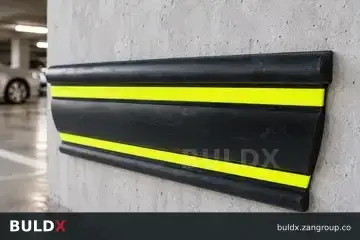
Traffic SafetySelection guide
Parking wall guards should be scheduled around actual contact zones and wall construction. Their role should be stated clearly as surface protection unless a different performance is documented.
Read guide: Parking wall guards: surface protection and fixing details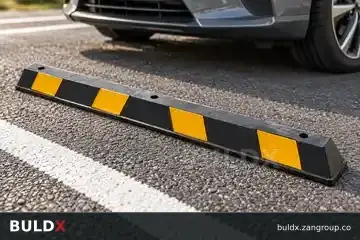
Traffic SafetySelection guide
Compare parking-product materials with the intended function and attachment. Material alone does not define impact performance, weather suitability or service life.
Read guide: Rubber and metal parking products: compare the actual assembly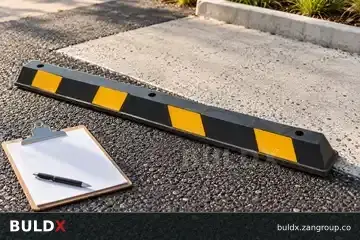
Traffic SafetySelection guide
Parking fixings must suit the actual supporting surface. A fastener supplied with a product is not automatically appropriate for every concrete, asphalt or layered paving condition.
Read guide: Parking product anchors: concrete, asphalt and existing surfaces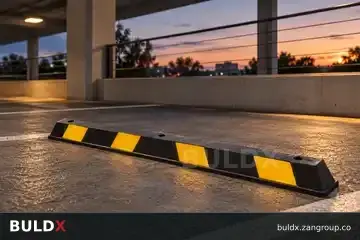
Traffic SafetySelection guide
Reflective inserts should be considered with lighting, markings and approach direction. Their presence on a product does not resolve the whole site's visibility design.
Read guide: Reflective parking products and site visibility
Traffic SafetySelection guide
Inspect parking products for attachment, damage and alignment with the approved layout. A product can remain visually intact while its fixing or surrounding substrate has deteriorated.
Read guide: Inspecting wheel stops and speed bumps after installation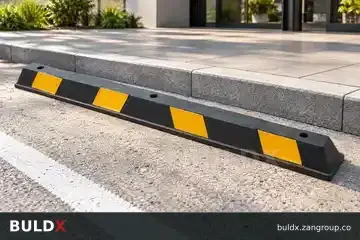
Traffic SafetySelection guide
Coordinate parking products with pedestrian routes and crossing points. A product intended to guide vehicles should not create an unreviewed obstruction for people moving through the site.
Read guide: Parking products near pedestrian and accessible routes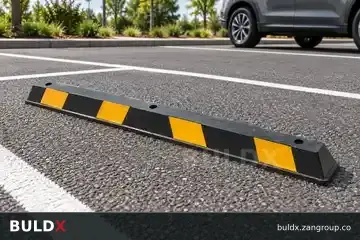
Traffic SafetySelection guide
A traffic safety enquiry should connect product quantities to an approved layout. Separate product selection from assumptions about traffic control or barrier performance.
Read guide: Traffic safety RFQ: quantities, layout and substrate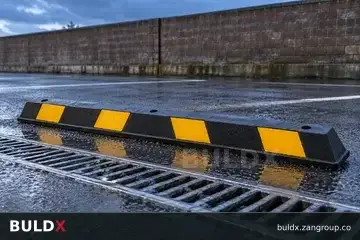
Traffic SafetySelection guide
Wheel stop positions should be coordinated with the parking drainage layout before fixing. The review should identify water paths and access to outlets, rather than assuming that a standard bay position works everywhere.
Read guide: Coordinating Wheel Stops with Parking Drainage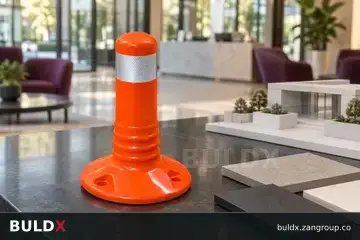
Traffic SafetySelection guide
A bollard proposal at an entrance should separate circulation planning from any impact-resistance requirement. The visible shape of a post cannot establish a vehicle-restraint function or a tested crash rating.
Read guide: Reviewing Bollard Layouts at Vehicle and Pedestrian Entries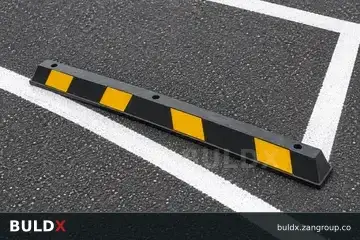
Traffic SafetySelection guide
Parking accessory setting-out should use the same approved references as the bay markings. Separate layouts can leave wheel stops or protection items associated with the wrong stall even when both trades follow their own drawings.
Read guide: Coordinating Parking Accessories with Bay Markings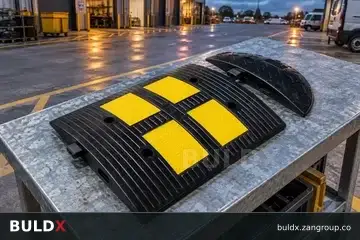
Traffic SafetySelection guide
A speed bump proposal on a service route needs operational review before product selection becomes a purchase order. The product's appearance or modular format does not establish permission to use it on every vehicle route.
Read guide: Reviewing Speed Bump Proposals on Service Routes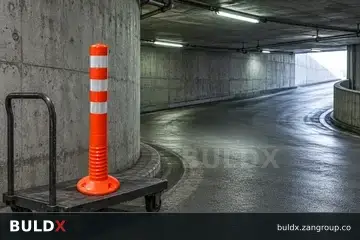
Traffic SafetySelection guide
A parking mirror proposal should be based on the actual sightline problem. A convex surface can change the view, but its presence does not automatically resolve a blind corner or establish traffic priority.
Read guide: Reviewing Sightlines Before Positioning Parking Mirrors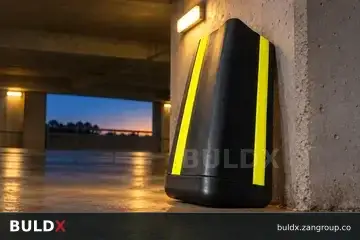
Traffic SafetySelection guide
A night appearance review should check parking products in the lighting conditions where they will be used. It can reveal visibility concerns without claiming a reflectivity rating or compliance result from a photograph.
Read guide: Reviewing Traffic Product Visibility After Dark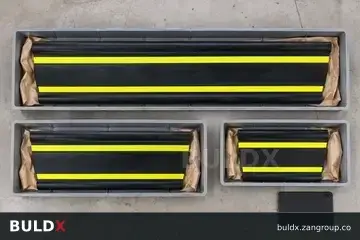
Traffic SafetySelection guide
A location-based receiving register helps parking accessories reach the intended bay, wall or column. It should keep the exact product identity visible even when several rubber products use similar colours and packaging.
Read guide: Recording Parking Accessory Deliveries by Location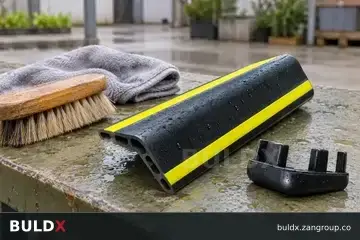
Traffic SafetySelection guide
A cleaning trial on a rubber parking sample should use the actual product and supplier-approved method. It helps the operator review surface appearance before applying a new cleaner across an occupied car park.
Read guide: Testing Cleaning Methods on Rubber Parking Products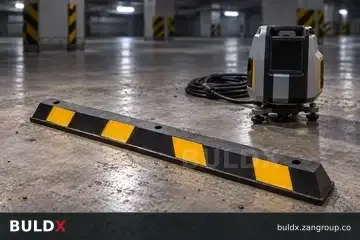
Traffic SafetySelection guide
Parking accessory fixing locations should be released only after the relevant substrate and concealed-service review. A convenient painted position is not enough information to choose an anchor or start drilling.
Read guide: Coordinating Fixing Locations with Underground Services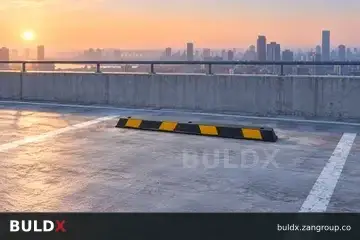
Traffic SafetySelection guide
Repeatable condition photographs help a parking operator track damage and repairs over time. They work best when each image has a stable location reference and a defined viewing position.
Read guide: Creating Repeatable Parking Product Condition Photos