Inspecting wheel stops and speed bumps after installation
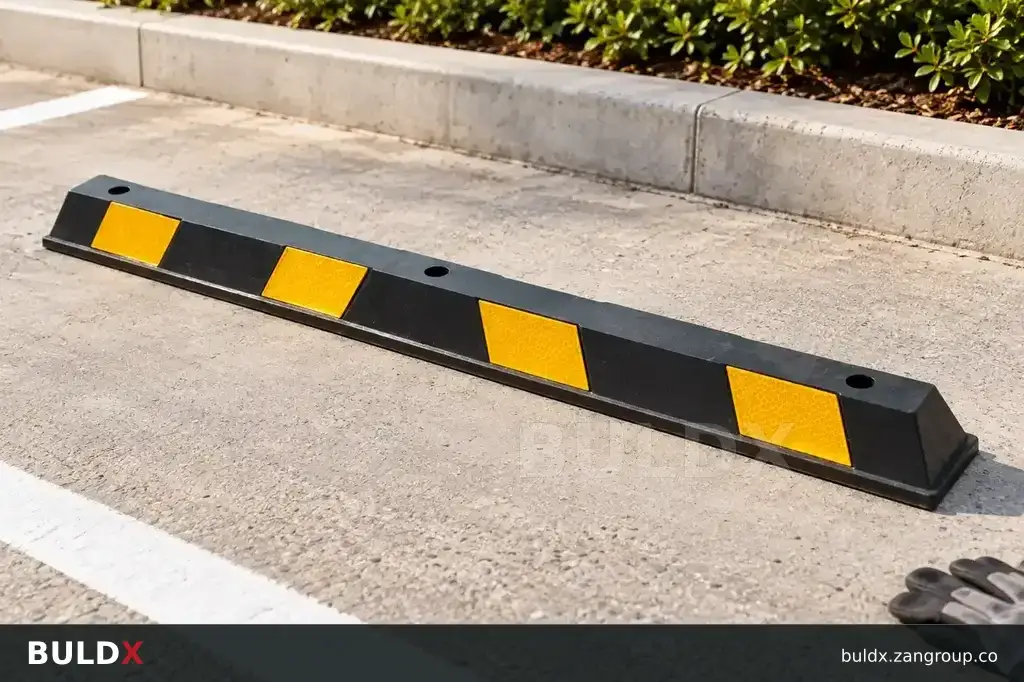
Inspect parking products for attachment, damage and alignment with the approved layout. A product can remain visually intact while its fixing or surrounding substrate has deteriorated.
Selection considerations
Check loose fasteners, lifted ends, cracked sections and missing reflectors. Record damage by location and full product code. Investigate repeated damage against the actual traffic route instead of replacing the same component indefinitely.
Keep repairs and replacements aligned with the selected system instructions. Review damaged substrate before refixing an item. Protect the route during work and confirm the final installation condition before reopening. Maintain spare-part references so replacement sections fit the existing module geometry.
Before you specify or order
- Inspect fixings and ends
- Record repeat-damage locations
- Check substrate before replacement
Relevant BULDX catalogue examples
These records illustrate the product types discussed. Compare the full specifications before selecting; listing here does not establish project suitability or make the items interchangeable.
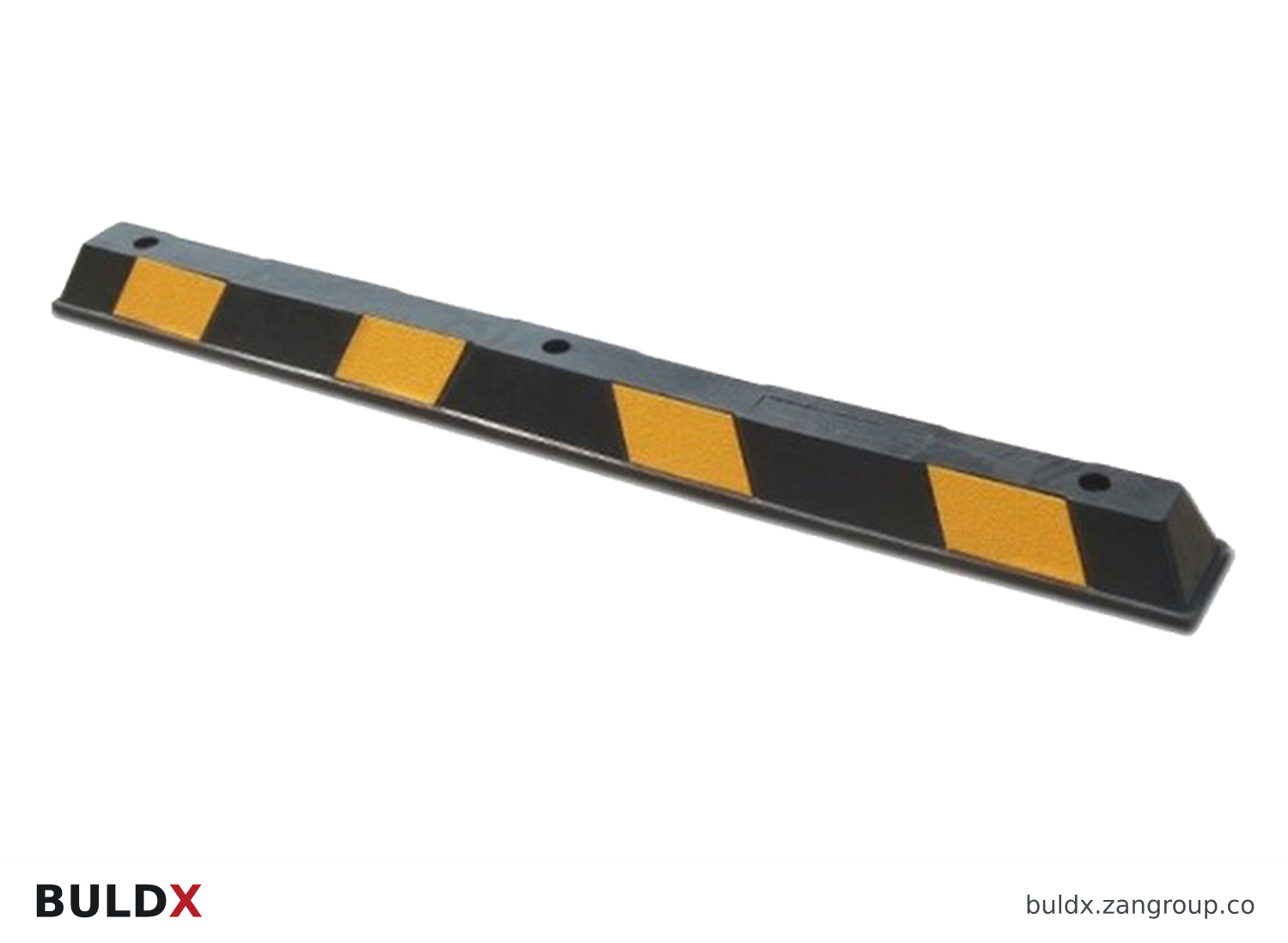
BDX-WS-RB-1830 · Product geometry from the catalogue; a family illustration may be shared by variants. Consult the selected technical documents for dimensions and the approved fixing detail.| Product and code | Selected catalogue fields |
|---|---|
BDX-WS-RB-18301830 mm Reflective Rubber Wheel StopWheel Stops |
|
BDX-SB-RB-300500300 × 500 × 45 mm Rubber Speed BumpSpeed Bumps |
|
BDX-SB-RB-400500400 × 500 × 40 mm Reflective Speed BumpSpeed Bumps |
|
Common question
Is an undamaged-looking top surface enough for acceptance?
No. Attachment, ends and the supporting surface also need inspection.
References and scope
Product fields are from the BULDX catalogue. Confirm the current selected drawing, supporting performance documents and approved project detail before ordering. External references, where listed, provide background guidance and do not certify these products.