Wall connection profiles: coordinate adjoining materials
A wall connection profile should match the adjoining materials and the intended junction. Its visible line may conceal different anchoring or movement arrangements.
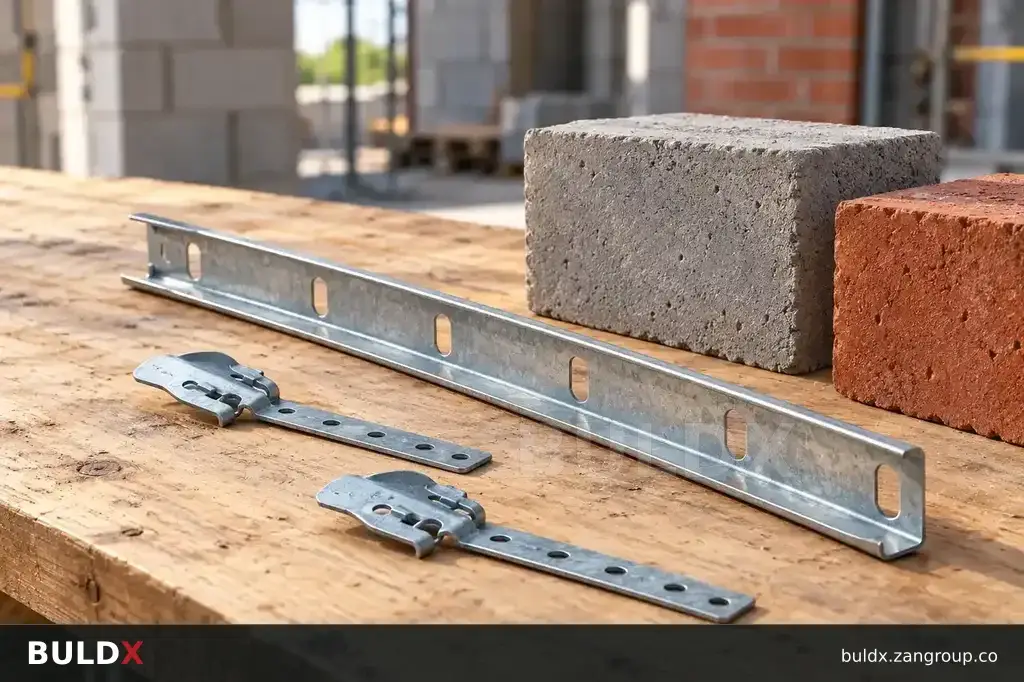
Selection considerations
Draw the connection at openings, wall ends or changes in finish. Record the substrate, finish thickness and whether movement or sealing is required. Compare the selected section against this detail rather than treating it as a generic decorative strip.
Ask which accessories and compatible bonding materials are needed. Keep any weatherproofing or movement claim within the documented system scope. Approve a sample at the real interface where possible. Include the connection reference in the elevation schedule so straight runs and junction pieces remain coordinated.
Before you specify or order
- Draw both adjoining materials
- Define sealing or movement needs
- Confirm accessories and fixing geometry
Relevant BULDX catalogue examples
These records illustrate the product types discussed. Compare the full specifications before selecting; listing here does not establish project suitability or make the items interchangeable.
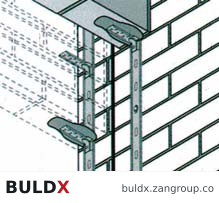
BDX-WT-GS-RAIL-1200 · Original supplier model image; selected dimensions are specified in the technical table. Consult the selected technical documents for dimensions and the approved fixing detail.| Product and code | Selected catalogue fields |
|---|---|
BDX-WT-GS-RAIL-1200Metal Wall-Connection Rail · 1200 mmWall Connection Profiles |
|
Common question
Can one connection profile suit every opening?
Only where its documented geometry and installation scope match each interface.
References and scope
Product fields are from the BULDX catalogue. Confirm the current selected drawing, supporting performance documents and approved project detail before ordering. External references, where listed, provide background guidance and do not certify these products.