Directional and warning tactile surfaces: different roles
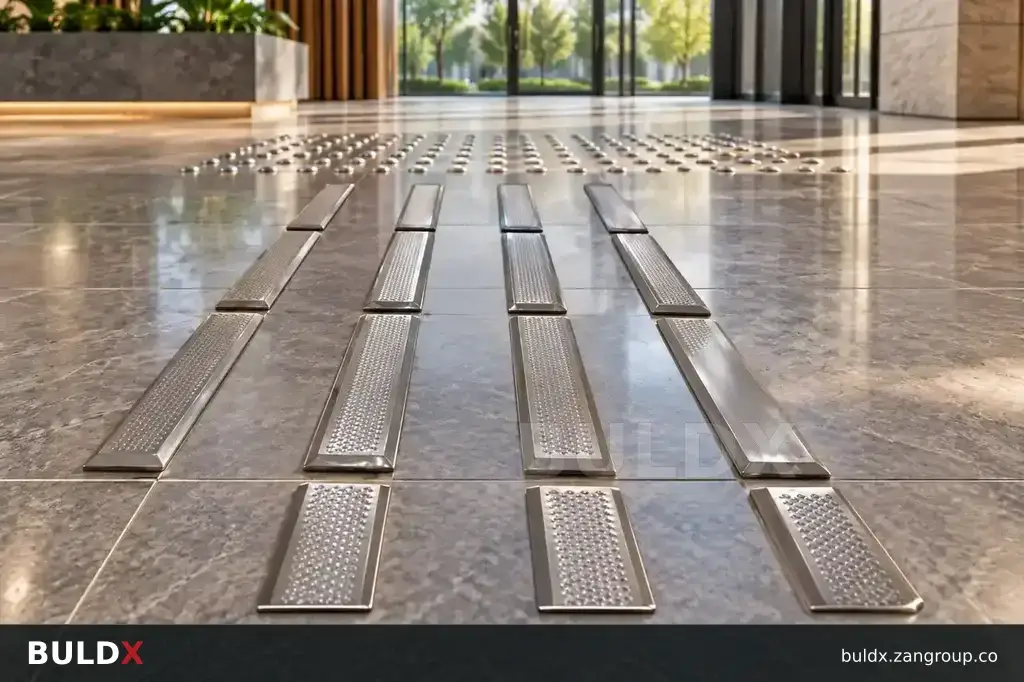
Directional and warning tactile surfaces have different wayfinding roles. Similar materials or dimensions do not make their patterns interchangeable.
Selection considerations
The BULDX catalogue distinguishes a directional surface from a warning surface. Start with an approved accessibility layout defining where guidance and warning are required. The product choice should follow that layout rather than create a route based on available stock.
Confirm the actual pattern, dimensions and installation method for each item. Ask for relevant product data before making a jurisdiction-specific compliance claim. Keep the two codes separate in procurement and delivery checks. A location schedule prevents a correctly supplied pattern being installed in the wrong part of the route.
Before you specify or order
- Use an approved wayfinding layout
- Separate directional and warning codes
- Check pattern at delivery
Relevant BULDX catalogue examples
These records illustrate the product types discussed. Compare the full specifications before selecting; listing here does not establish project suitability or make the items interchangeable.
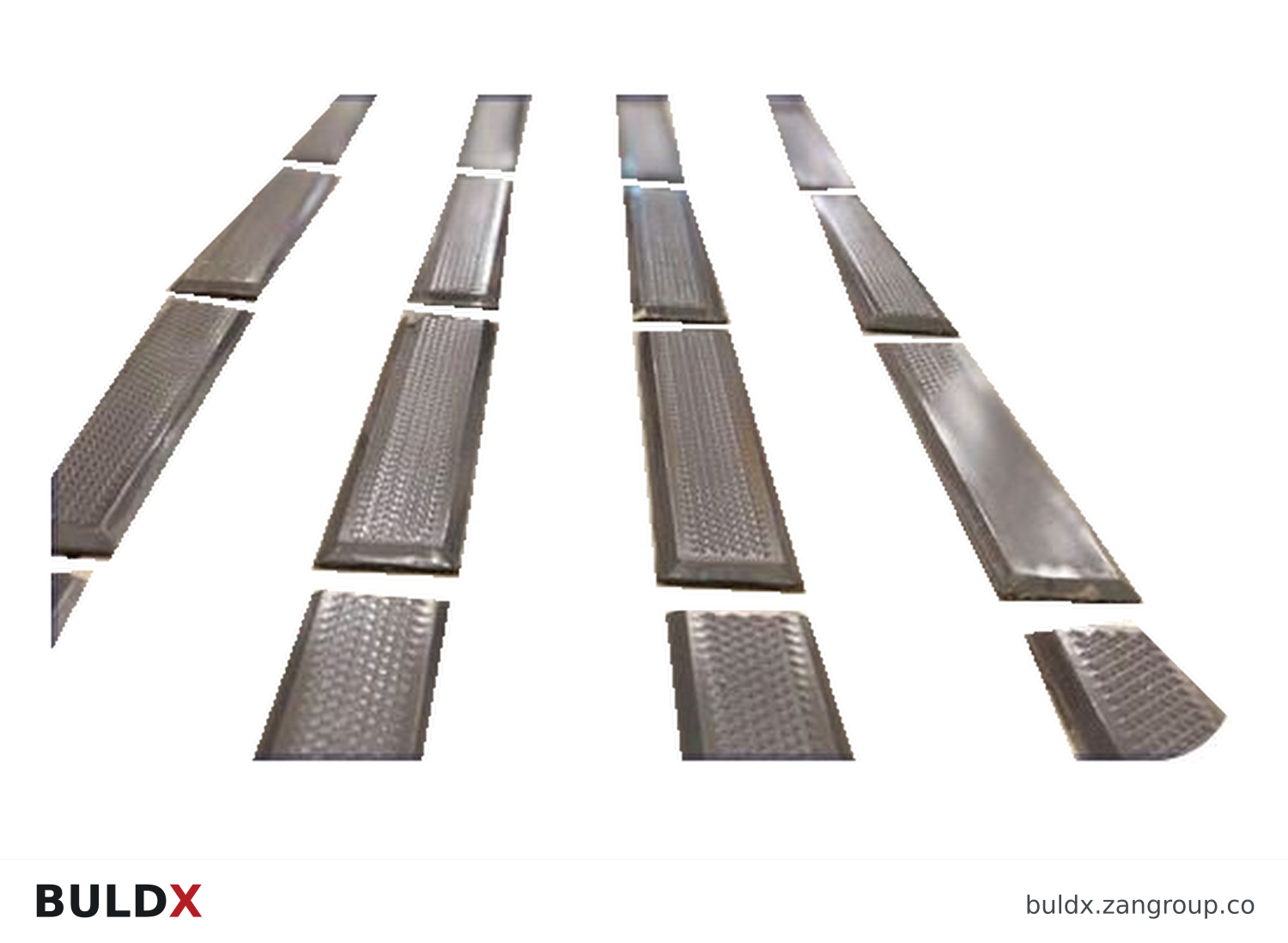
BDX-TS-DIR · Product geometry from the catalogue; a family illustration may be shared by variants. Consult the selected technical documents for dimensions and the approved fixing detail.| Product and code | Selected catalogue fields |
|---|---|
BDX-TS-DIRDirectional Tactile SurfaceTactile Surfaces |
|
BDX-TS-WRNWarning Tactile SurfaceTactile Surfaces |
|
Common question
Can directional strips replace warning surfaces?
No. Their intended roles and pattern requirements must be reviewed separately.
References and scope
Product fields are from the BULDX catalogue. Confirm the current selected drawing, supporting performance documents and approved project detail before ordering. External references, where listed, provide background guidance and do not certify these products.