Composite fencing: match posts, panels and connection details
Choose fence posts and panels as a coordinated assembly. Panel width and post appearance do not describe the complete connection or supporting design.
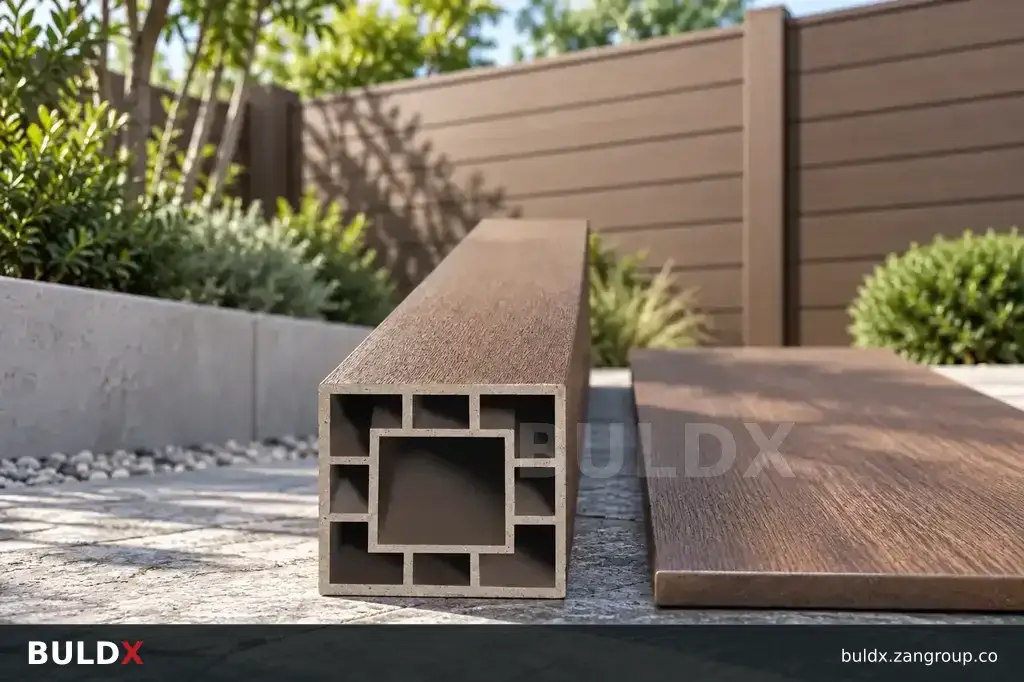
Selection considerations
Mark bay sizes, corners, changes in ground level and gates. Identify which components form the supporting structure and how they attach to the base. Obtain section drawings for the selected post and panel profiles.
Ask for approved connection and movement details, and coordinate project wind requirements with the responsible designer. Include caps and finishing pieces explicitly. Keep the exact post and panel codes together in the schedule so a similar panel from another geometry is not substituted during delivery.
Before you specify or order
- Draw bays, corners and gates
- Confirm post-to-panel connections
- Include base attachment and caps
Relevant BULDX catalogue examples
These records illustrate the product types discussed. Compare the full specifications before selecting; listing here does not establish project suitability or make the items interchangeable.
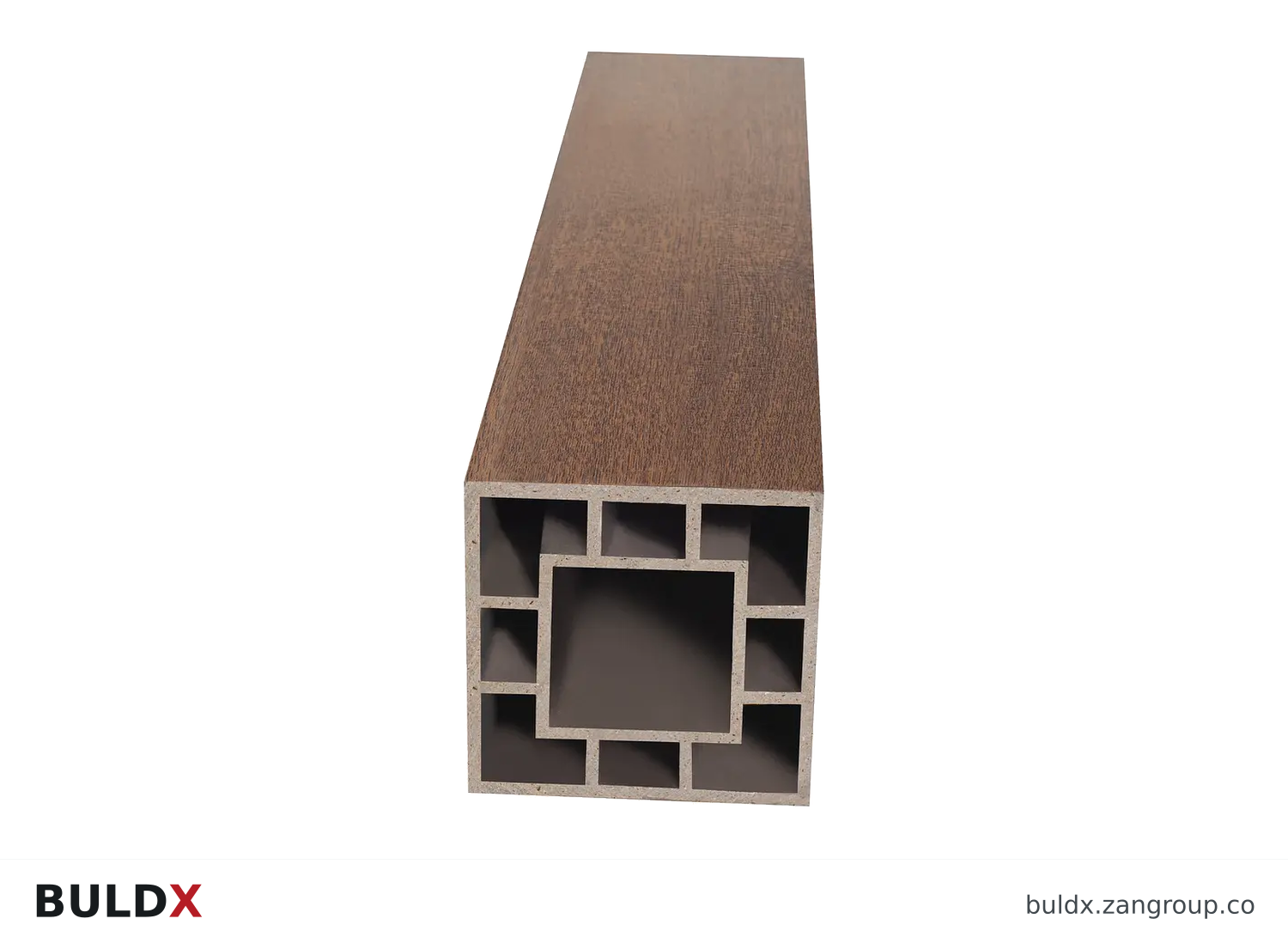
BDX-FN-POST-100100 · Product geometry from the catalogue; a family illustration may be shared by variants. Consult the selected technical documents for dimensions and the approved fixing detail.| Product and code | Selected catalogue fields |
|---|---|
BDX-FN-POST-100100Fence Post Profile 100 × 100Fencing / Structural Profiles |
|
BDX-FN-PANEL-22160Fence Panel Profile 22 × 160Fencing / Panel Profiles |
|
Common question
Can panel size alone determine fence post spacing?
No. The connection, supporting design and project loads must also be established.
References and scope
Product fields are from the BULDX catalogue. Confirm the current selected drawing, supporting performance documents and approved project detail before ordering. External references, where listed, provide background guidance and do not certify these products.